
Nick Engerer
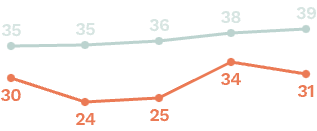
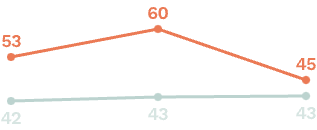
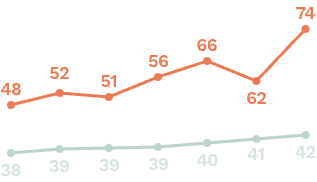
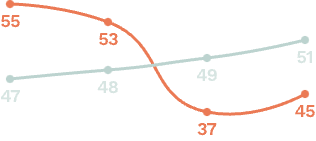
“My 30+ plants experiment showed just how clearly diet shapes your biological age. The GlycanAge results were undeniable.”
Read full storyBiological age testing
Order your GlycanAge test today and get scientifically proven results and personalized advice you can act upon.



 HSA/FSA eligible | Results in 3–4 weeks
From your sample to your personalized report, the process is simple and done entirely from home.
Choose the plan that fits how closely you want to track your aging and we'll ship it straight to your door.
Register and use the simple finger-prick kit then post it back in the prepaid envelope.
Get your biological age, glycan indexes, comparison data, and personalized insights.
Speak with a GlycanAge specialist to understand what your result means and what to focus on next.1
Book additional sessions with our longevity specialists to optimize your long-term health journey.










GlycanAge is a biological age test that measures inflammaging, which indicates the levels of chronic inflammation driven by your immune system as it ages, capturing changes years before they appear in standard bloodwork.
The test analyzes the specific ratio of your pro- and anti-inflammatory IgG glycans, reflecting the health of your immune system and its ability to manage chronic inflammation.
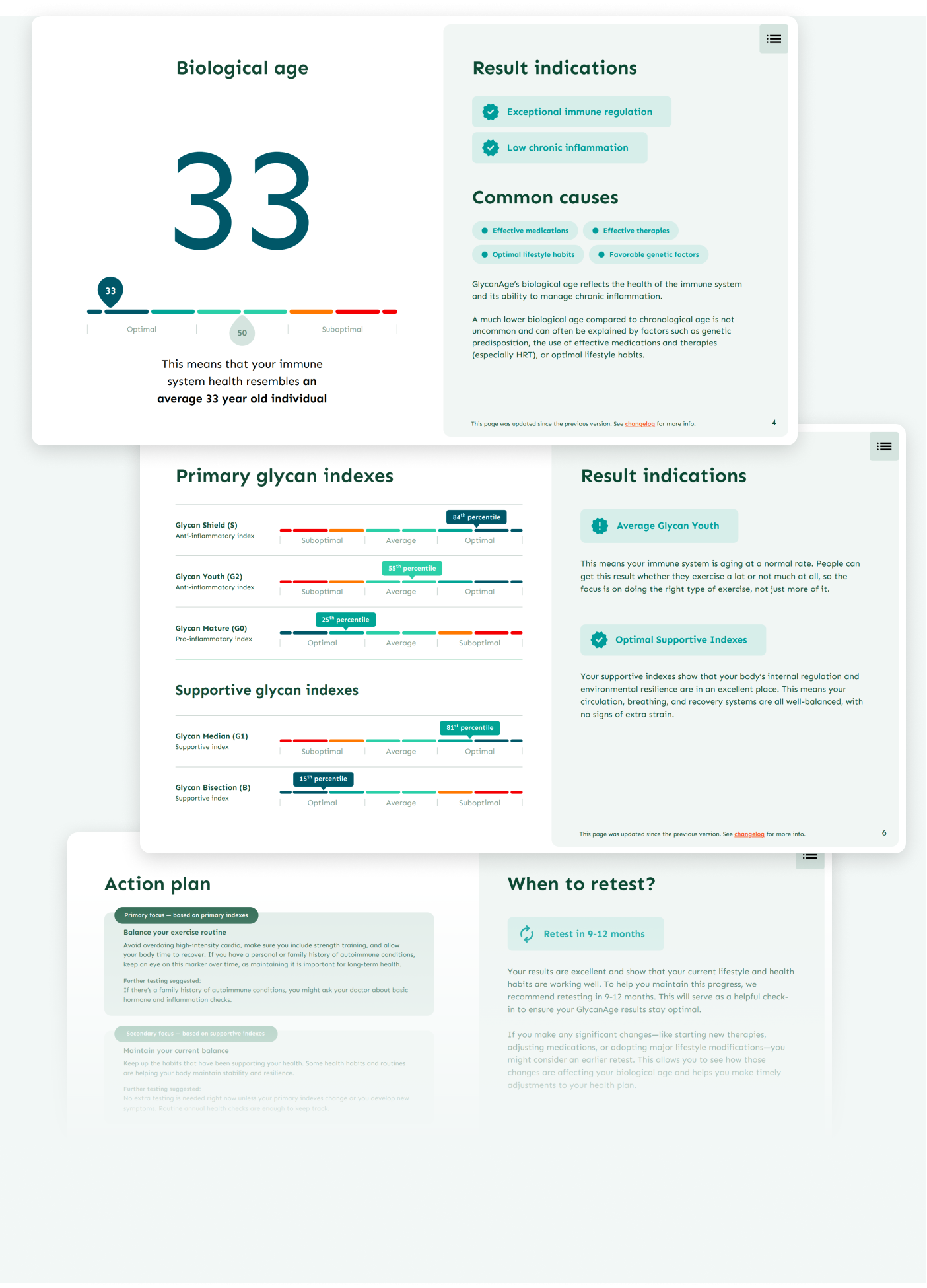
Beyond the number, you receive a personalized report the key glycan indexes, how you compare to others and what areas may be worth improving.

Your biological age in years that shows whether your body is younger, older, or aligned with your chronological age based on glycan patterns linked to chronic inflammation.

Discover whether your glycan profile reflects stronger anti-inflammatory protection, higher inflammatory activity, and supportive signals linked to vascular resilience, stress, recovery and other environmental factors.

Your report links your glycan profile to key health areas influenced by chronic inflammation, then highlights lifestyle factors and action steps to discuss with your specialist.

Every GlycanAge result includes a 1:1 interpretation call with a GlycanAge specialist to help you understand your report, what may be influencing your result, and which areas to focus on next.1
We have analyzed more than a quarter of a million samples, creating one of the most robust datasets in the longevity industry. Our test is designed for low variability and high repeatability to ensure you can track your progress with confidence.

Our in-day measurement precision is ±1 year, providing the granularity needed to see the results of lifestyle interventions.

We prioritize consistency so that your before-and-after results are a true reflection of biological change, not testing noise.
Biological age testing estimates how your body is aging from molecular markers linked to inflammation, immune activity, and metabolism. Biological age can differ from chronological age, and it can change with lifestyle, health, and recovery. GlycanAge is a lab biological age test. It is often compared with an online biological age calculator, but the result comes from a blood sample, not a questionnaire.
Biological age is measured with markers that change as the body ages. They reflect immune function, inflammation, and metabolic health, rather than the number of years since birth.
Glycan-based testing measures patterns in glycans, the complex sugar structures attached to proteins in the blood. These patterns reflect immune function and inflammation over time. GlycanAge uses this method: it reads the ratio of pro- and anti-inflammatory IgG glycans from a finger-prick sample.
Epigenetic tests analyse DNA methylation, chemical tags that regulate how genes are expressed without changing the DNA sequence. Specific methylation patterns are associated with aging and are used to estimate biological age at the molecular level. GlycanAge is not a DNA or epigenetic test.
Some biological age estimates combine standard blood biomarkers such as C-reactive protein (CRP), cholesterol, glucose, and other metabolic markers. These scores reflect how several body systems are functioning at the time of the draw.
Biological age test accuracy is how reliably a test reflects processes associated with aging, and how consistently it produces similar results under the same conditions. GlycanAge is built for an in-day measurement precision of ±1 year.
Validated tests, including GlycanAge, are supported by research linking their markers to aging and health outcomes at a population level. That is different from predicting an individual lifespan or a specific disease, which these tests are not designed to do.
Biological age can move with lifestyle, illness, stress, or recovery. Trends across repeated tests are more informative than a single result, which is why GlycanAge plans include follow-up testing.
GlycanAge focuses on immune health and inflammaging: long-term, low-grade inflammation driven by the immune system as it ages. The same IgG glycan patterns shift with lifestyle and with life stages such as menopause, which is why the test is used to track immune aging over time rather than to diagnose a condition.
The markers are evaluated in large population studies. Most of that evidence is observational, showing that the patterns are associated with aging and health outcomes. Interventional studies, which test how the markers respond to a specific change, are less common and still developing. GlycanAge is used by people tracking longevity, by preventive and wellness programmes, by clinicians as a supplementary monitoring tool, and by researchers studying aging and inflammation.
In case you need additional help or guidance, ask us anything through our live chat, or contact support@glycanage.com.

1 Each test comes with a result interpretation call that is valid for 60 days after your results are ready.