Inflammaging in clinical practice
Every lecture and panel from the GlycanAge clinical day, captured with AI summaries and key takeaways. Watch at your own pace.
- Sessions on demand
- 24 speakers
- 5 clinical modules
Inflammaging: From Biological Theory to Measurable Aging · Claudio Franceschi · Free preview

GlycanAge partners get this recap free. Open it from Partner Dashboard to unlock all sessions in this browser.
The full programme, session by session
23 recorded talks and panels. Each one includes the recording, an AI-generated summary and the key clinical takeaways. Free preview sessions can be opened directly.

Inflammaging: From Biological Theory to Measurable Aging

How Antibody Glycosylation Controls Immune Activity

Glycans as Biomarkers of Aging and Disease Risk
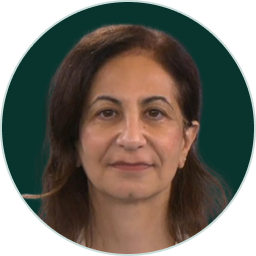
Inflammation and the Future of Cardiovascular Prevention

Precision Geromedicine: Personalizing the Future of Healthy Aging
Why Glycans Matter in Precision and Preventive Medicine
Antibody Glycans in Autoimmunity and Inflammation Resolution
Toward Personalized Measurement and Treatment of Inflammaging




What Biological-Age Testing Reveals in Real Life

Using GlycanAge in Longevity Clinical Practice

Hormones, Inflammation, and the GlycanAge of Women
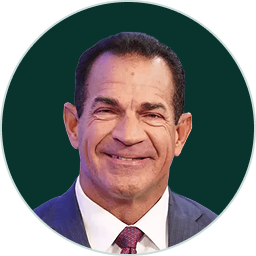
Mitochondrial Health, Molecular Hydrogen, and Healthy Aging

Sex Hormones and Immune Aging: A Clinical Panel

Beyond Weight Loss: A New Clinical Model for GLP-1 Therapy

Therapeutic Fasting for Metabolic Health and Healthy Aging

Detecting and Reversing Cardiometabolic Aging

Preserving Muscle and Metabolic Resilience During Weight Loss
Targeting Residual Inflammation in Cardiovascular Disease

The Biological Drivers and Clinical Biomarkers of Inflammaging


Bringing Biological-Age Testing Into Clinical Practice

Longevity in Sports Medicine: Precision Strategies for Performance and Recovery

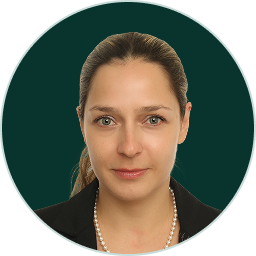


Balancing Training, Recovery and Longevity: From Elite Athletes to Everyday Health
The end
AI session summary
This talk introduces inflammaging as the persistent, low-grade inflammatory activity that develops with age and contributes to many chronic diseases.
The speaker emphasizes that aging differs greatly between individuals. It is shaped by each person’s genetics, development, infections, environment, lifestyle, metabolism, and accumulated biological damage. It also progresses unevenly rather than as a steady decline.
Proteomic research supports this nonlinear model, showing major waves of molecular change around ages 34, 60, and 78. Many age-related protein patterns also differ between men and women, reinforcing the need for more individualized approaches to studying and managing aging.
Key takeaways
- Inflammaging links aging with chronic disease.
- Aging varies substantially between individuals.
- Biological decline is nonlinear rather than constant.
- Genetics and lifelong exposures both influence aging.
- Major protein changes appear around ages 34, 60, and 78.
- Men and women can show different molecular aging patterns.
Unlock access to all sessions
One pass opens lifetime access to every session recording, summary and resource from the event, on any device, whenever you need it.
- Sessions on demand
- AI summaries & takeaways
- Speaker transcripts
- Downloadable slides
Buying for a clinic or team? Talk to us
Already a GlycanAge partner? This recap is included free. Open it from Partner Dashboard to unlock access here.